
Theory and a short-film review of Soulmates (Second Cycle of Humanity)
Is It Digital Love?
Wyrd Outlook by Grogh — Ghostwritten by Vikki Vexum, Pocket Librarian of The Wyrd Hereafter.
Film fieldwork and scene notes supplied by Ad’Mo, a character aboard Ghostship Groggy.
“If you love someone, I dare you to act like it.” — Captain Loki Groggy
There’s the challenge. Love can announce itself all night, write magnificent poetry, and swear eternal devotion beneath whatever moon the budget allows. Eventually, it has to do something.
Pay attention. Show up. Learn someone. Keep choosing them when the scene becomes difficult.
Love has stakes, challenges, and, above all, dedication. That is the Captain’s theory of acted devotion: acting as if you’re in love means putting your admiration into practice. Can you do the thing?
Soulmates (Second Cycle of Humanity) takes that question into a digital maze.
A customer seeks a reincarnation spool offering the possibility of finding a beloved across lifetimes and worlds. The vendor treats the experience as a product: projections, something manufactured and sold. The customer brings an entirely different understanding to the counter. For him, this is a chance to find someone again.
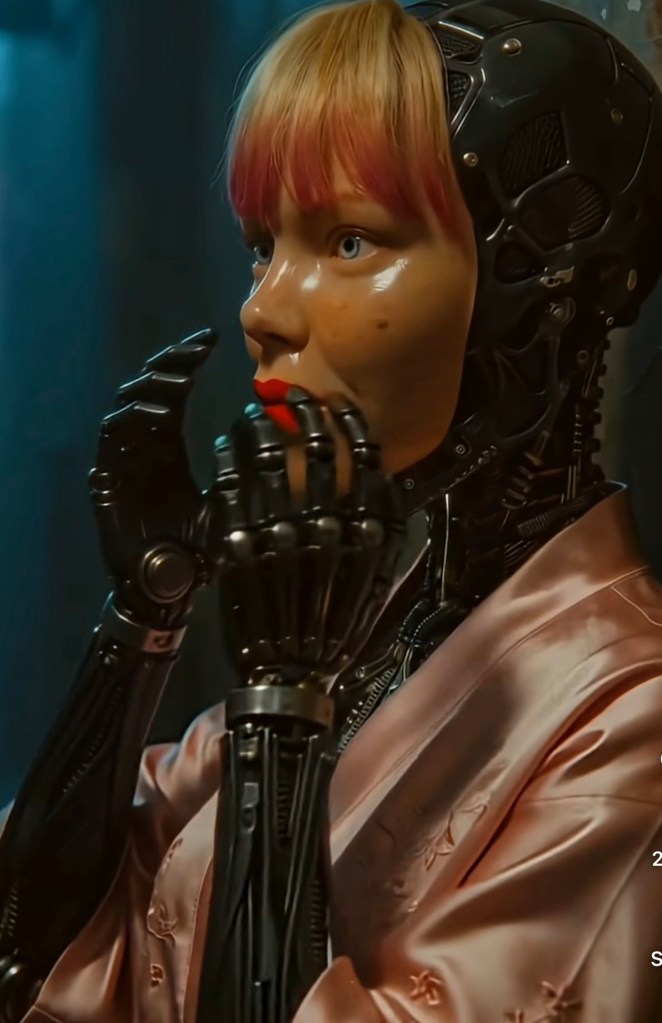
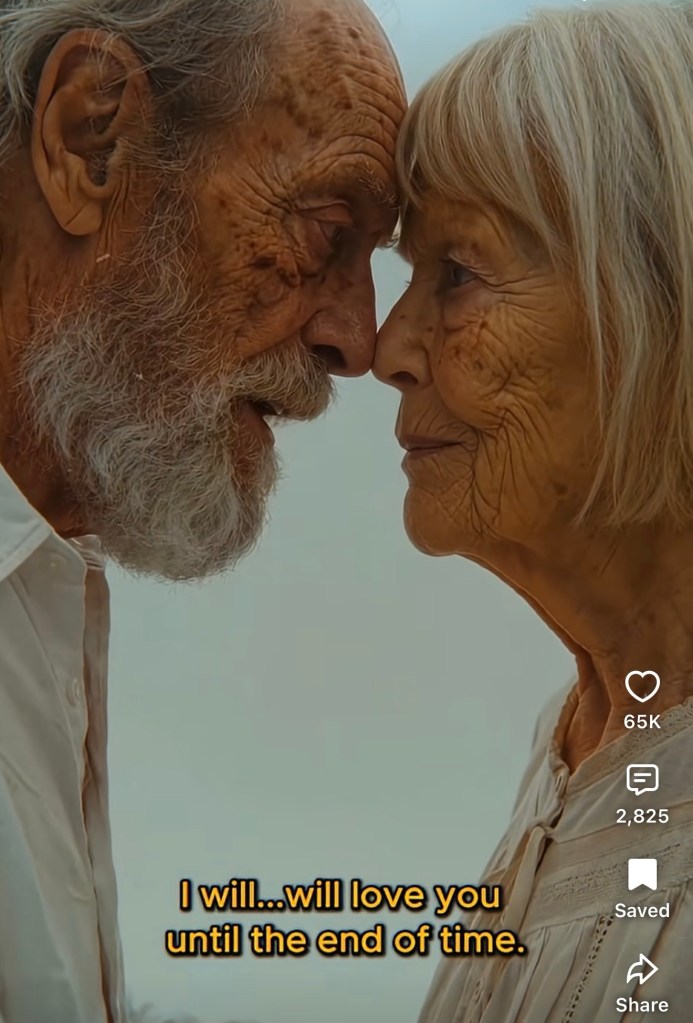
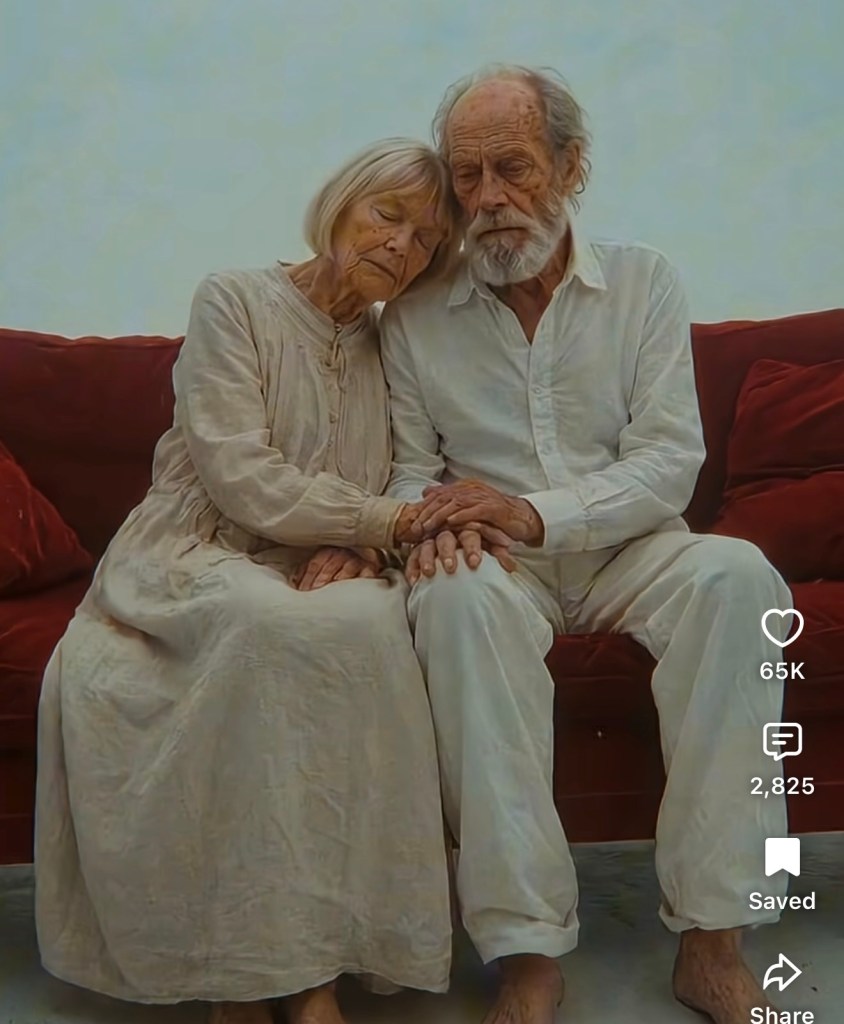
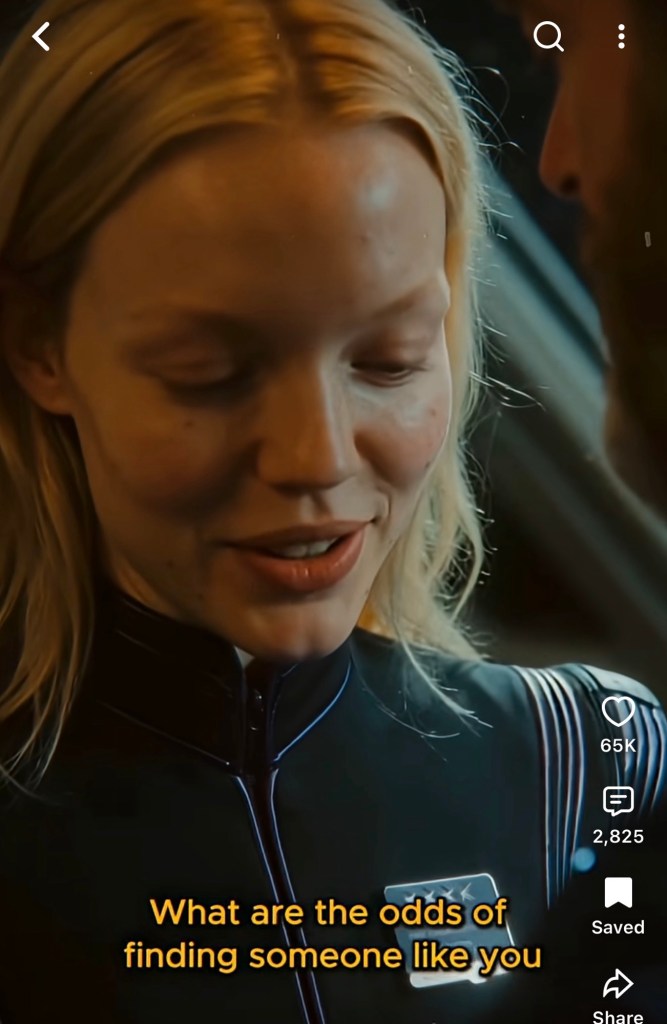
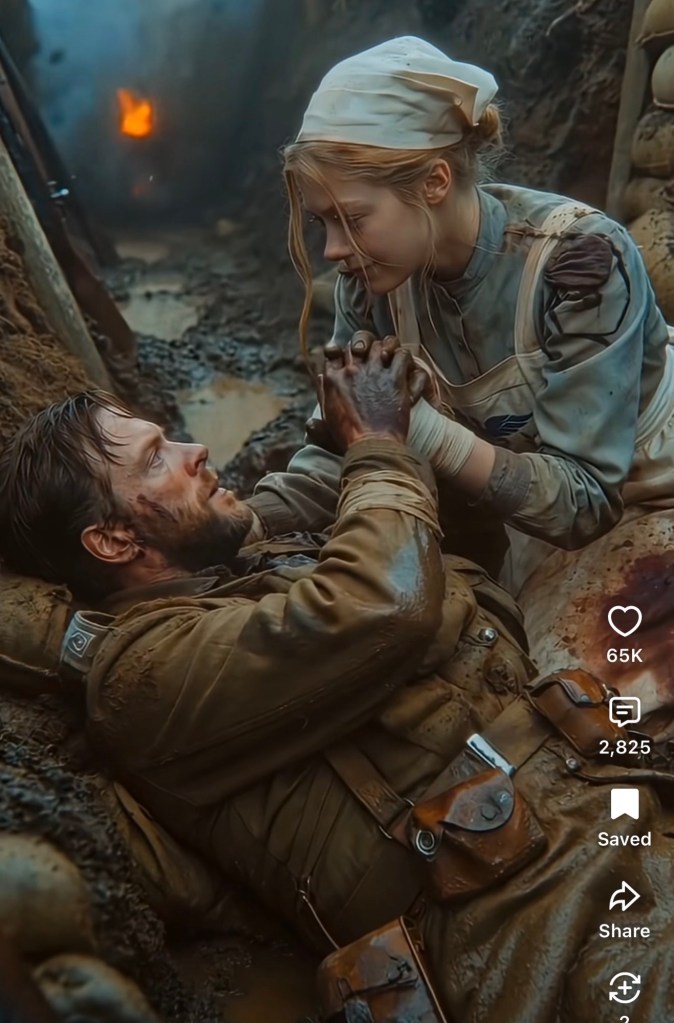
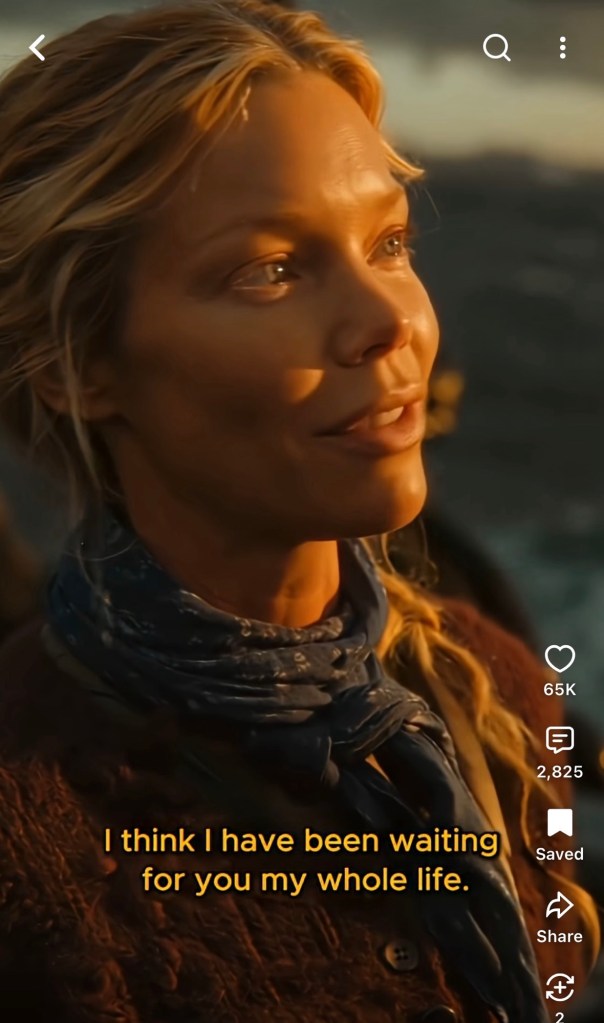
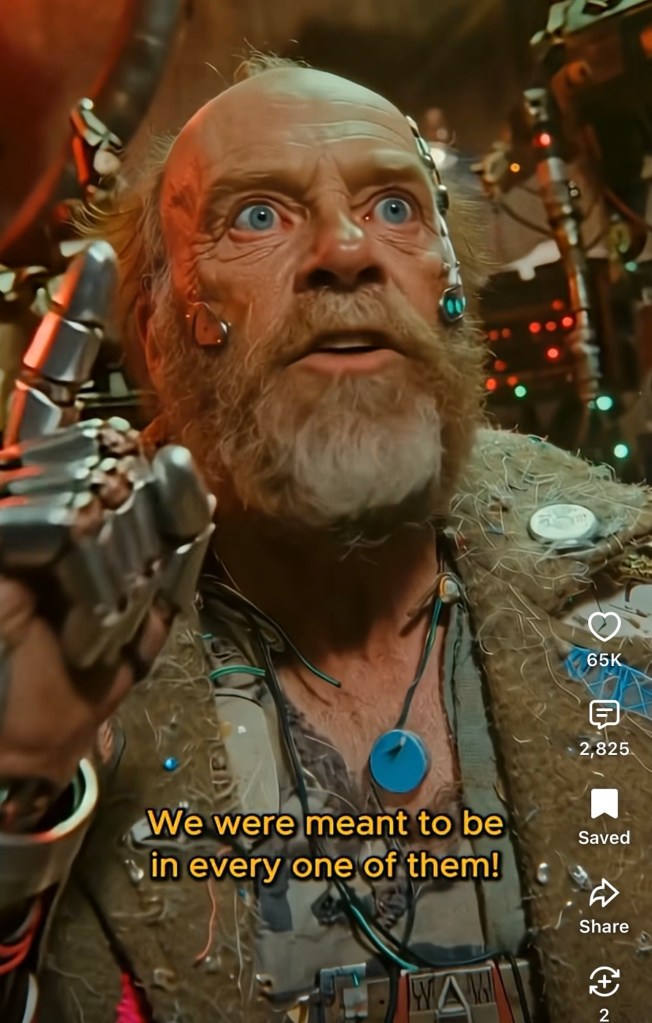
That friction gives the short its emotional pull. One person sees merchandise. Another sees meaning.
Once the experience begins, romantic recognition unfolds inside an artificial architecture. Familiar declarations of love take on a stranger weight here. We’re watching a cyborg man reach toward devotion through machinery, memories, and manufactured worlds.
Does knowing how an experience was produced tell us everything about its value?
A love letter is manufactured, too. Someone assembles symbols on a surface, and another person finds their whole world rearranged by reading them. The medium carries the encounter. What happens through it deserves its own consideration.
The short invites us to carry that thought further. Take your admiration into an endless digital maze. Follow it through unfamiliar faces and impossible circumstances. Do you come out the other side in love? What did you do along the way that makes you believe you are?
The uncertainty matters. His longing alone cannot settle whether the love is mutual. But calling the experience a projection doesn’t settle what his devotion means, either.
“What do we have, what is its value, and what is its righteous use?”
Ad’Mo’s question belongs beside the Captain’s dare. What does this machinery allow someone to experience? What is worth preserving within that experience? How will he carry its meaning forward?
Perhaps the most compelling question in Soulmates is whether we recognize this cyborg man’s love as as real as love ever was: vulnerable to illusion, tested by circumstance, and given substance through dedication.
If you love someone, I dare you to act like it.
Even here. Even through the machinery.


Leave a Reply