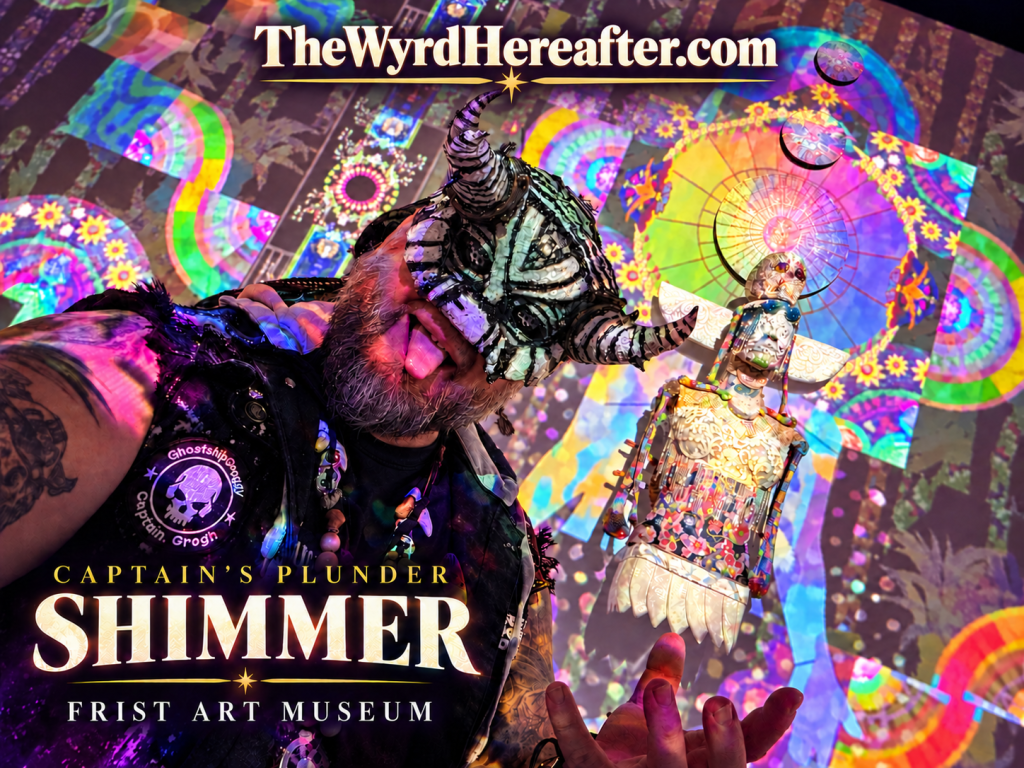
Wyrd Outlook by Grogh.
Ghostwritten by Vikki Vexum — Pocket Librarian of The Wyrd Hereafter.
Captain’s Plunder: The Frist Turned the Wyrd Up a Hundred Notches
Visitor information checked October 18, 2026.
Here’s the plunder: $10 adult admission instead of $20, plus museum validation made my three hours of parking $9 instead of $36. That puts one adult’s admission and three-hour parking at $19 combined. Guests 18 and younger enter free. Half-price admission ends October 26, 2026; Shimmer: Dreaming the Posthuman continues through January 3, 2027. Get your parking validation; hours beyond the first three cost $12 each. [1][2]
Now, about the exhibition—because the artwork deserves the spotlight.
A hundred notches beyond my expectations
I went to the Frist, wandered through Shimmer, and captured things a little willy-nilly because something else kept grabbing my attention.
That is probably the strongest compliment I can give it. I was busy enjoying the artwork.
This was high art on its own merits. The immersion was top notch, and the layers gave my attention somewhere to keep going. Changing where I stood could change how I experienced a piece. Perspective, depth, and movement became part of the encounter.
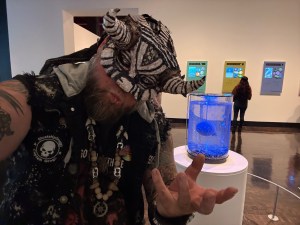
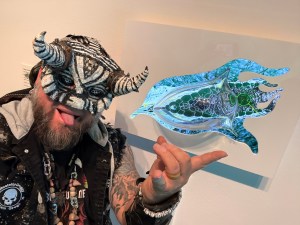
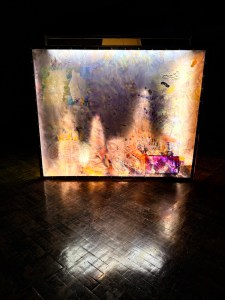
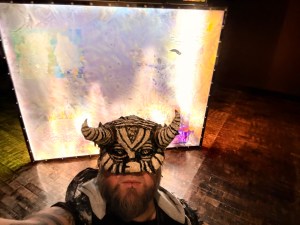
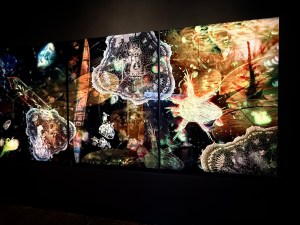
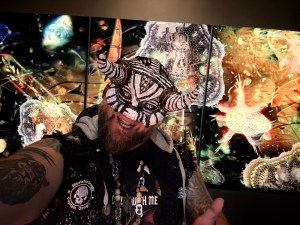
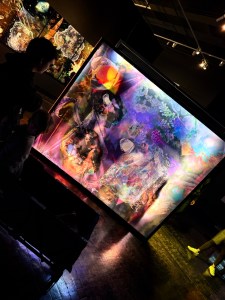
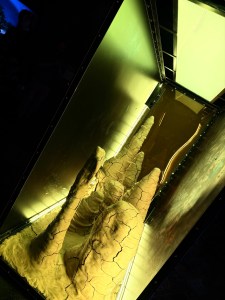
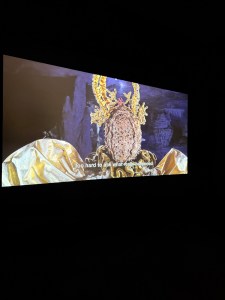
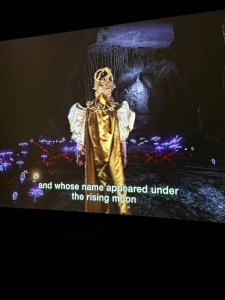
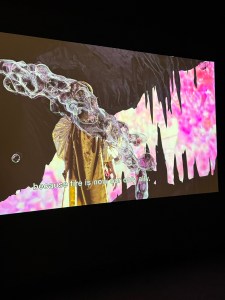
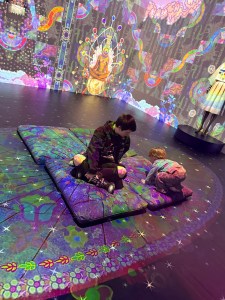
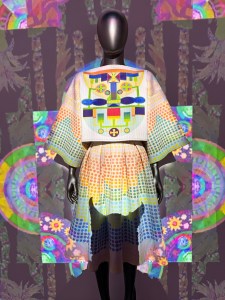
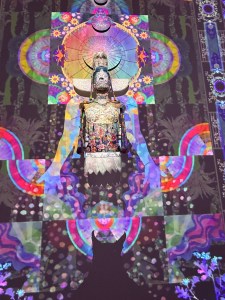
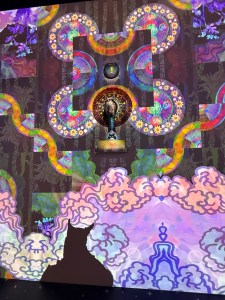
Then there was the VR immersion, letting you step into the artwork itself. Whatever expectations I carried through the door, that experience blew past them.
But what impressed me most was how firmly the surrealism remained connected to actual nature.
Fantastic imagery brought me closer to thinking about living creatures and ecosystems. Interpretive dance became part of artwork concerned with real animals. The presentation could be wildly imaginative while its subject remained grounded.
Far out, firmly rooted. That achievement cannot be overstated.
Strange worlds with something to say
Organized by the Frist and curated by Mark Scala, Shimmer features 17 artists working with sculpture, animation, augmented and virtual reality, motion capture, and generative software. [2][3]
Its three sections—Endangered Species, Dreams and Metamorphosis, and Everything Is Connected—explore humanity’s relationships with other life, transformation, and the planet. “Posthuman” challenges the assumption that humans stand above the rest of the living world. [4]
Here is a quick manifest of the visual treasure:
- Alexandra Daisy Ginsberg — The Substitute: a digital northern white rhinoceros raises questions about recreating life while failing to protect it. [5]
- Marguerite Humeau — Kuroshio: a flowing, marine-inspired sculpture imagines another creature’s awareness of mortality and spirituality. [6]
- Anna Dumitriu and Alex May — ArchaeaBot: ancient single-celled life meets speculative robotics. [6]
- Katja Loher — Endangered Species: dancers embody marine creatures in video sculptures incorporating glass forms. [7]
- Chalet Comellas — We interpret the dream, and the dream interprets the real: dream descriptions become poetry across seven panels with electronic text. [7]
- Ian Cheng — Thousand Lives: a simulated tortoise learns through its environment in a work with an infinite duration. [7]
- Libby Heaney — slimeQrawl: green slime crosses bodies and technological imagery, blurring boundaries between living and nonliving things. [7]
- Jacolby Satterwhite — We Are in Hell When We Hurt Each Other: animated robots vogue through a fantastic landscape, answering pain with vitality and joy. [3]
- Nancy Baker Cahill — Stone Speaks: augmented reality follows a planet through crisis and regeneration. [3]
- Amelia Winger-Bearskin — I Would Like to Be Midnight / I Would Like to Be Sky: the Seneca–Cayuga artist digitally removes modern human habitation from landscape footage, addressing settler colonialism. [3]
- Saya Woolfalk — Floating World of the Cloud Quilt: psychedelic projections and imagined human–plant hybrids called Empathics explore connections across species. [6]
- Marina Zurkow — Mesocosm (Wink, TX): a generative animated environment unfolds through a 146-hour cycle. [2]
- Jakob Kudsk Steensen — Aquaphobia: cinematic video and virtual reality open another immersive world. [2]
- Josèfa Ntjam — The Deep 1–3: three photomontages printed on aluminum. [2]
Kite, also known as Suzanne Kite, and Rachel Rossin complete the participating-artist roster. [2]
There is considerable imagination here, with real questions beneath it. The sources below offer deeper explanations; the exhibition gives you the experience.
Treasure you can take home
The gift shop caught my attention, too—particularly the beaded jewelry.
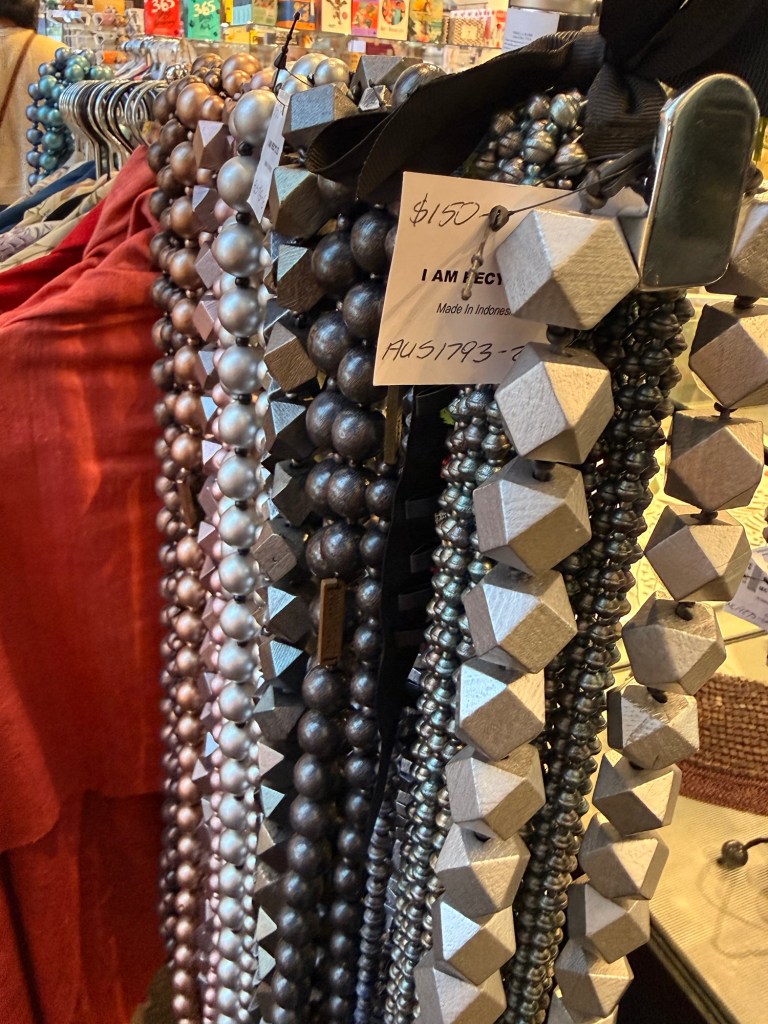
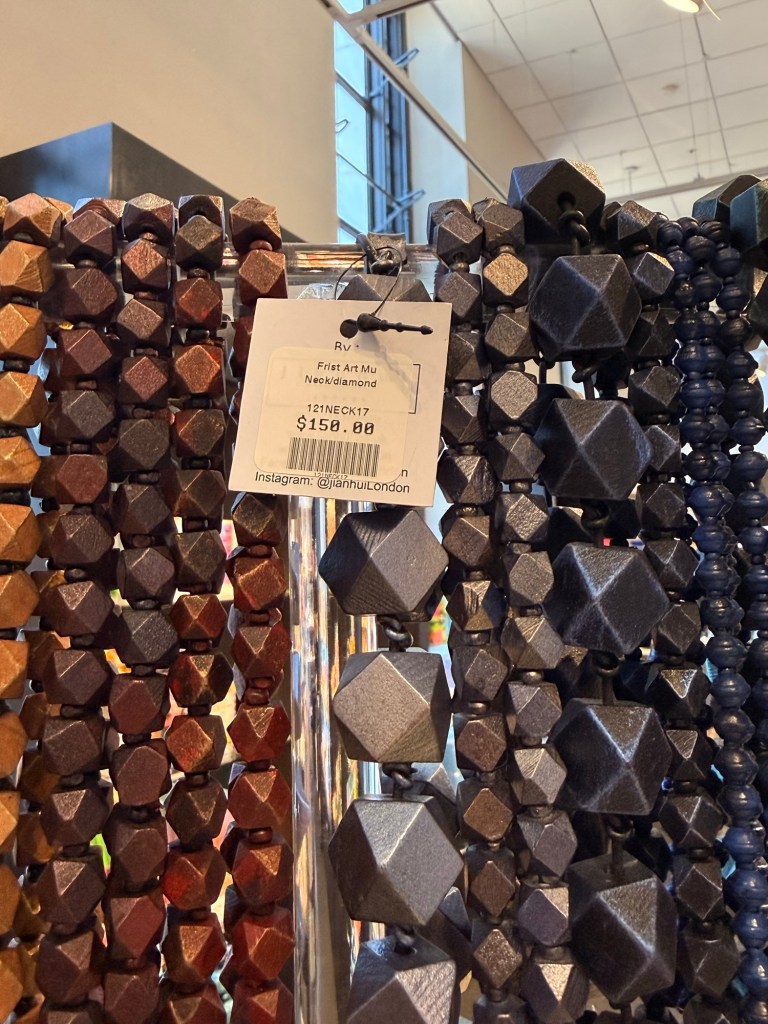
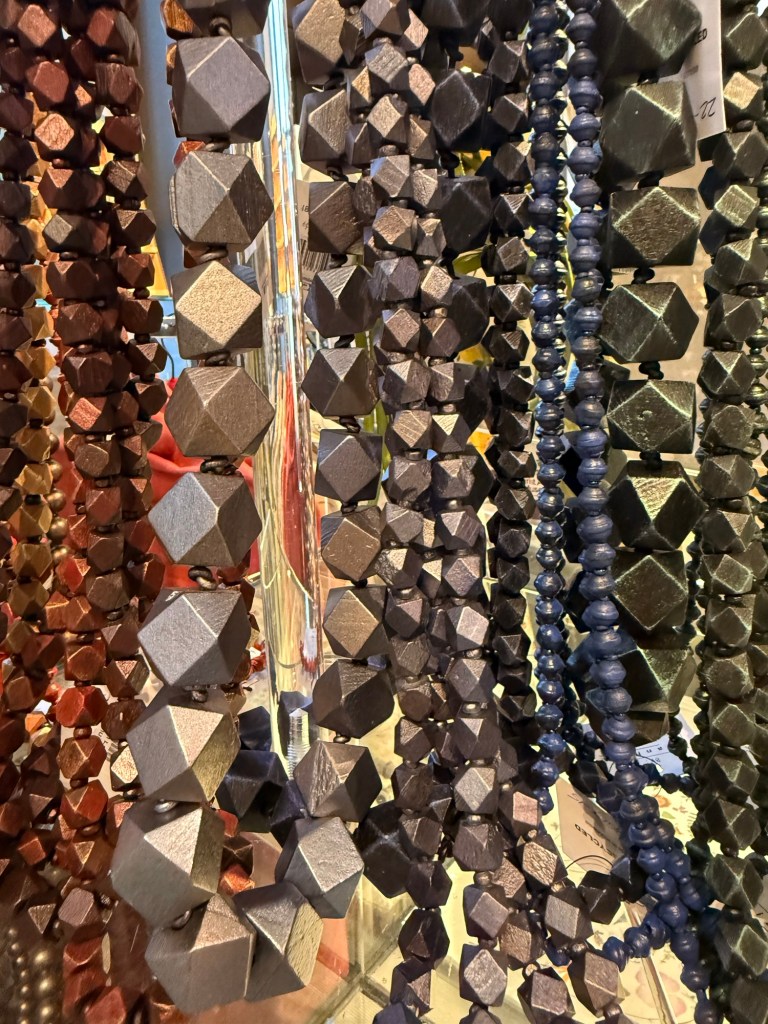
Some pieces carried substantial prices, but to my eye, the quality made that understandable. There were other price points as well. I appreciated seeing distinctive, higher-end finds alongside more accessible purchases.
That feels like thoughtful direction. A museum visit can inspire someone to support art, and a well-chosen shop gives that enthusiasm somewhere to go.
I would like to see that continue: craftsmanship worth discovering, makers worth supporting, and purchases that feel like finding something special.
Give the next generation more walls
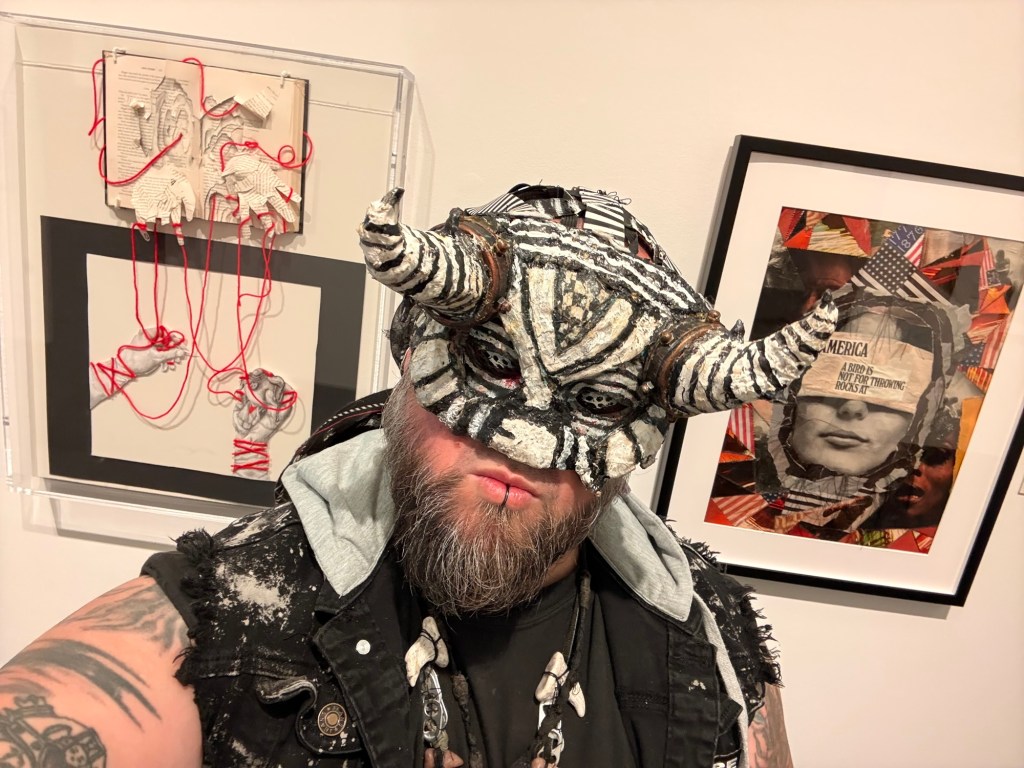
One of my favorite parts of visiting the museum is seeing student artwork. Honestly, I often feel it is the best part.
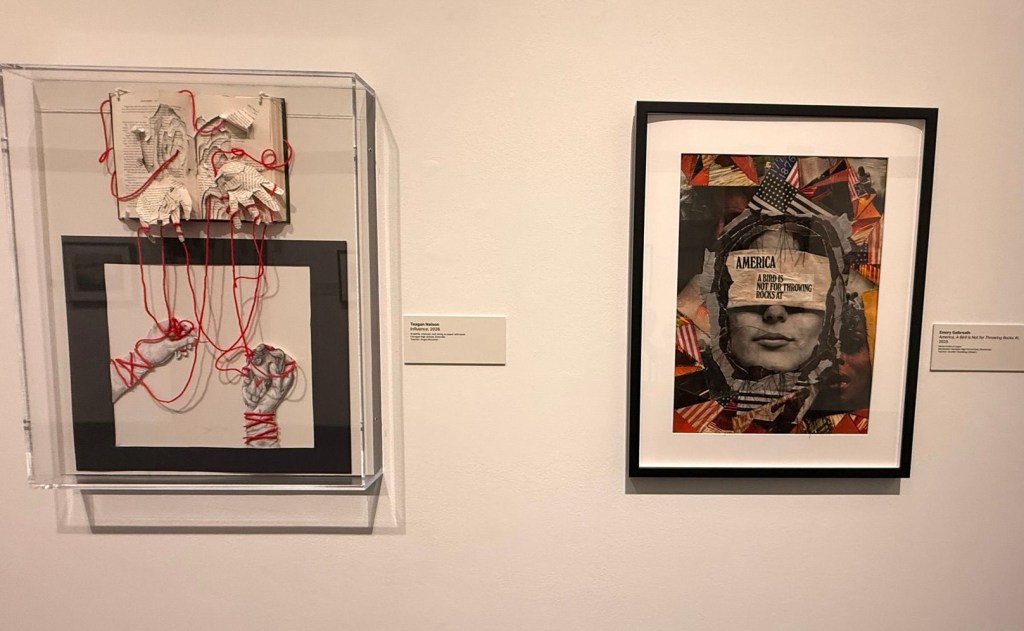
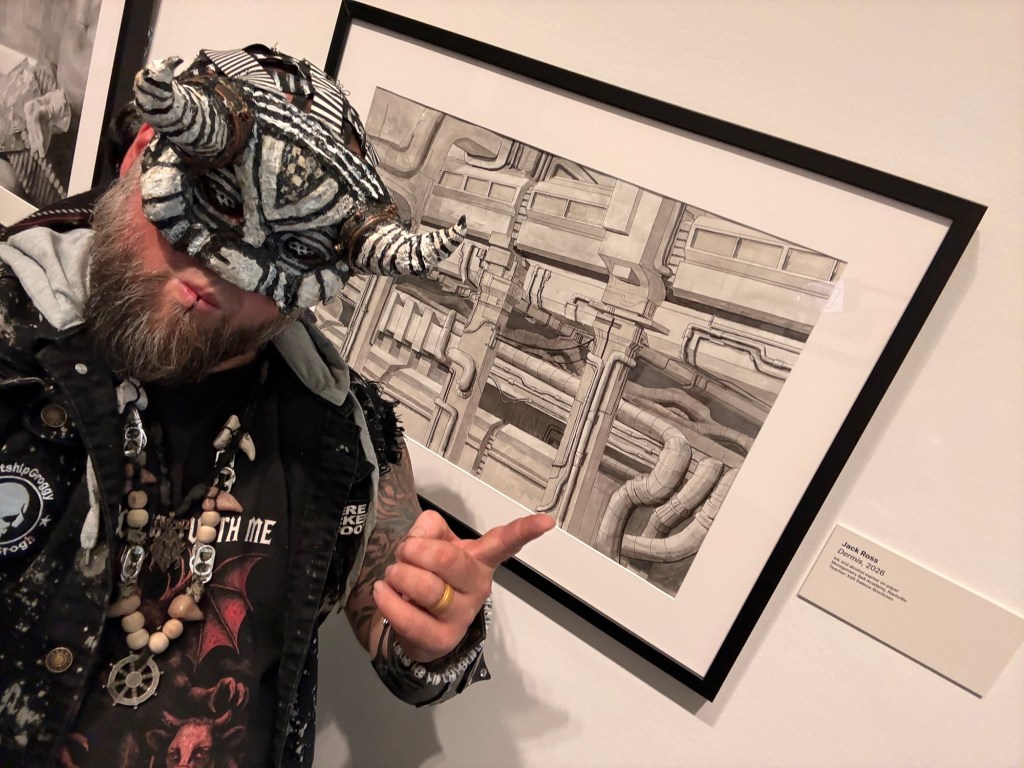
On this visit, I encountered student art in the hallway approaching check-in, and the quality impressed me. Students deserve to see their work presented somewhere people arrive expecting art to be worth their attention.
Which brings me to my affectionate complaint.
Seeing an empty level felt like a crime against available wall space.
I understand that exhibitions require changeovers and preparation. But wherever space is available and suitable, I would love to see student artwork filling it. This is a point I keep coming back to: give emerging artists more opportunities to be seen inside the museum.
And let’s give them opportunities to earn, too.
I would love to see a student-art prize supported by visitor donations. Participating students could receive recognition and financial awards. Artists who wanted to contribute a piece could also participate in a supporter giveaway or another fundraising arrangement.
That is an idea I am proposing, rather than an existing museum program I am reporting.
We need avenues through which students can discover that their creativity has value people will support. Seeing their work on a museum wall can build confidence. Seeing it generate income can help them imagine a future.
Exposure matters. Encouragement matters. Getting paid for your artwork matters.
An exhibition like Shimmer shows what artistic ambition can achieve. Student artwork belongs nearby, where that ambition can become contagious.
We should invest in future artists while they are still becoming those artists.
Bring the younger crew
Admission includes Martin ArtQuest, the Frist’s hands-on creative space. Current activities include kaleidoscopes, microscopic-life observation and drawing, a puppet theater, and a build-your-own-garden station. Visitors can also draw, animate, paint, and make prints. Children 12 and younger must be accompanied by an adult. [8]
Someone in your crew might eventually need that student-art wall.
The Captain’s take
Shimmer impressed me through its immersion, its layers, and its ability to make surreal imagery speak about actual nature.
I came away with content, questions, and a strong desire to see the museum keep building on this ambition—including more space and support for student artists.
Half-price admission opens the door. The exhibition earns the visit.
Find it at the Frist Art Museum, 919 Broadway, Nashville. Check the official visitor page for hours, tickets, and parking before plotting your course.
A little less from the wallet. A lot more to take home in your head.
Sources and artwork references
Firsthand observations and opinions above are mine. Exhibition descriptions and visitor information are supported by these sources:
[1] Frist Art Museum: Location, Hours & Admission — admission, temporary discount, youth admission, and parking. Checked October 18, 2026.
[2] Shimmer: Dreaming the Posthuman — exhibition dates, artist roster, and artwork captions.
[3] Frist Art Museum’s exhibition announcement — curator and featured works.
[4] Introduction and Gallery Description — exhibition themes and sections.
[5] Alexandra Daisy Ginsberg: The Substitute — artist’s explanation.
[6] Shimmer Gallery Guide (PDF) — curator’s essay and artwork discussions.
[7] Shimmer Educator Guide (PDF) — illustrated artwork references and explanations.
[8] Martin ArtQuest — activities and family guidance.


Leave a Reply